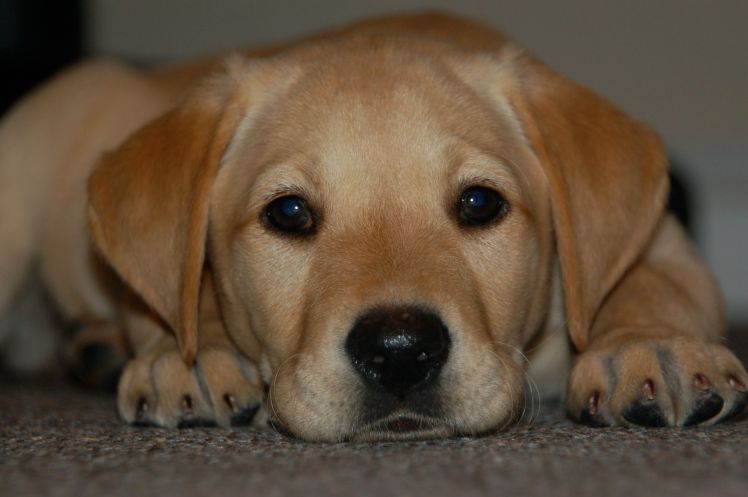
Puppies! Who doesn’t love them? They are a whole lot of work though, especially when it comes to potty training. You can train your new friend and keep your house clean, however it takes time and effort on your part.
Why should you care what I have to say about it?
I’ve been training animals for over 30 years, and you can read my About page for more details. Many years ago, I got my very first publishing contract writing a dog training book, and house training was it’s own section.
If you’re methodical and consistent, it is absolutely possible to have a well-trained dog that you can trust in your home.
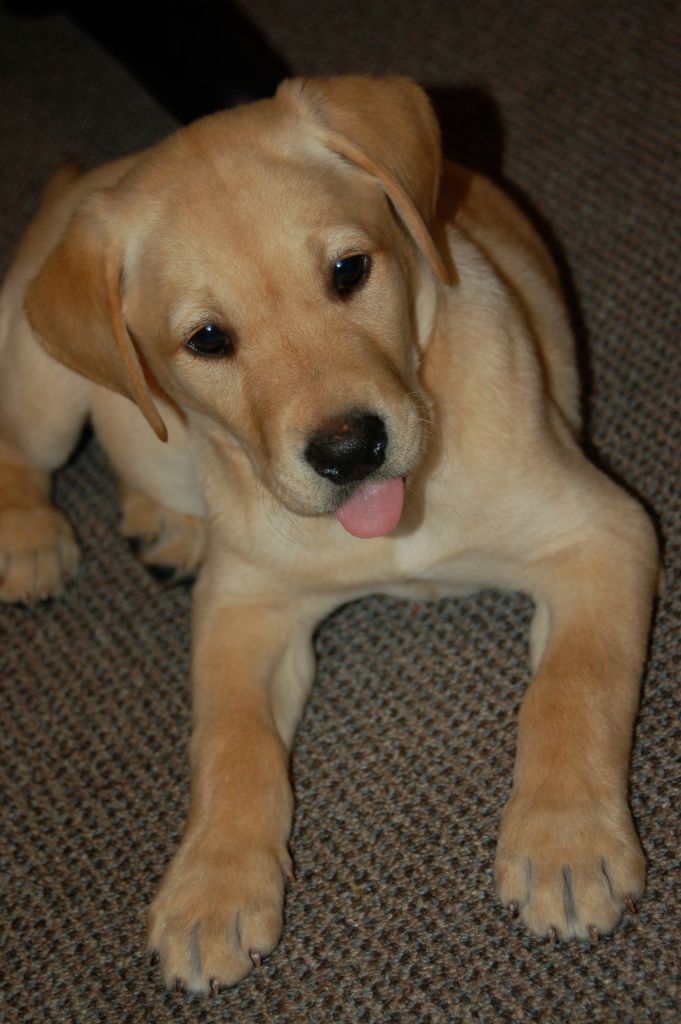
About Puppies and House Training
They’re so cute! They’re so sweet! That puppy breath and big soulful eyes and OMG! Squeeeee! How can you not love a puppy?
I confess, I love raising a puppy. Love it! Even knowing there will be sleepless nights, and clean-ups, and training … I love it.
Also true, it’s frustrating. You really have to dig down sometimes to find that calm headspace when puppy raising takes its inevitable turn and you’re tired with a rambunctious bundle of fluff and a mess on the floor.
The best way to set you and your new friend up for success is to have a plan and prepare your house before the little cutie arrives. House training is often cited as a reason for surrendering a dog to a shelter, and it is work. It takes consistency, timing, and careful attention, but you can have a well-trained, trustworthy friend who understands the difference between indoors and outdoors, and where to eliminate.
Here are things to keep in mind when formulating that plan.
Housetraining is always happening. If your puppy is loose in the house, you are watching and waiting for the signal that it’s time to go outside. Take a second and let that sink in:
If puppy is loose, you are watching and waiting for puppy’s signal to go outside.
I mean that quite literally. Not kidding even a little bit. If puppy is not safely contained, you keep your eyes and attention on him and watch for him to act like he needs to go.
Yeah, don’t plan on diving into a marathon session of The Latest Thing. Or do, but keep that remote handy and be prepared to hit Pause a lot. You can be watching TV, or reading, or cooking dinner as long as puppy is within your immediate line of sight. Your attention can be divided, but you need to be ready to stop what you’re doing in an instant and take puppy outside. If you need to really focus, you should not have your puppy running loose.
What works best is if you have a toy, or several, in the immediate vicinity. Expect to move from chair, to couch, to floor and back again to keep puppy engaged and entertained. This is your time to play and have fun! You won’t be kicking back with your feet up when puppy is loose. Toss a toy for him to chase and bring back to you. Switch up toys to keep him playing with you. Give him belly rubs or cuddle if he acts sleepy. Move around in the room to keep things interesting and his focus on you or toys.
For a mini-break when he’s loose, you can direct his attention onto chewing toys by hiding treats in them or smearing a little peanut butter inside. Plenty of toys are designed just for this kind of activity. Ask at your local pet supply or search for these toys on the internet. This will keep his attention for a good amount of time, depending on how challenging it is to get all the treats.
And, you still need to monitor puppy even if he seems totally engrossed in chewing on his toy. He will break off in a second to wander off and pee before you can catch him if you’re lost in a book or movie.
This is the most important part – when puppy is loose you are going to watch for that exact behavior:
Puppy breaks off from what he is doing and wanders away sniffing.
He might be chewing on a toy, chasing a ball you’re tossing around the room or taking a nap. But if he breaks off from an activity, or gets up from a nap and walks away sniffing at the ground, then chances are good he’s got to go.
The Potty Spot
To put it bluntly, this is the place you want puppy to pee and poop. If there is a particular area of your yard you want your pup to use take him there directly every time. Most dogs will continue to use an area where they’ve eliminated before, drawn by their own scent. It can help to place a small amount of stool in this spot to draw him. Gently redirect him to The Spot if he wanders away from it and tell him to “Go Potty” in The Spot.
But What If?
If you live 50 stories up in an apartment or cannot get home in the middle of the day to let your friend out, you may want to consider training him to an indoor potty spot.
There are many commercially available doggie potties on the market. Pet stores and online outlets can supply you with plastic, pads, Astroturf and even real grass every week or so for a subscription fee. Simply plug in “doggy potty” in your favorite search engine and shop away. Check your local retailers or online pet supply outlets.
These are especially helpful for the small and toy breeds. By their size and physiologic constraints these breeds have a very difficult time “holding it” while you are away and your pooch is locked inside. Apartment and condo dwellers can keep them inside or place them on an enclosed balcony and leave the door to the balcony open.
Indoors or out, designate a Potty Spot for your pup and be consistent in taking your pup there when he signals he needs to go.
If you go the indoor potty route, simply adapt your training plan to taking your dog to the indoor potty.
Timing
You have only moments to get him from inside to outside, so you have to be ready to move as soon as you see him break off and wander. Don’t finish that text or that page you’re reading! When you see this behavior – breaks off from an activity to go sniff – you immediately go to puppy.
Say her name, snap your fingers or clap your hands to get her attention on you and say: “Do you have to go out?” Have him follow you or pick him up and carry him to the Spot. Repeat, “Do you have to go out?” two or three times until you’re outside. Pitch your voice so it sounds like an excited question. Imagine you’re asking a kid “Do you want to go to Disneyland?”
As with all training, timing is everything. You are striving to catch your puppy just as he starts to wander and sniff. This is why you are always paying attention, so that you can catch puppy in this behavior. This timing is essential. Redirect his attention on you at that moment and you should buy enough time to get him to delay the urge and follow you.
Call his name as soon as you see him break off. Make your voice and posture fun and inviting, avoid looking big and threatening. Softly pat your hands when you clap them, not to startle but to draw his attention. You want him to stop thinking about whizzing and start following you.
You’re going to want to move quickly to the outside when he looks up at you, so don’t dawdle! Jog a little to make puppy trot to follow you. Now he’s thinking about staying with you and not about piddling on the floor. Get him out that door and into the Spot fast.
Keeping your attention on puppy at all times is critical. So you can catch that golden moment and get him outside.
Once you get outside, stop in his potty spot and start telling him to “Go potty!” You’re going to say this in an encouraging tone and tell him “Go potty” until he starts. You don’t have to sound like a fast skip/repeat on a record, you can take pauses and use encouraging phrases like “Come on!” “You can do it!” or “Hurry up” in between. But you want to repeat, “Go potty” until he does. Then you’re going to tell him “Good potty!” in your happiest, proud parent voice and you’re going to reward him.
Praise, praise and praise some more when you get a successful chain of catching him sniffing–> getting him outside–> potty! Keep some treats by the door and grab a couple as you go out so that you can give him some yummy goodness when he’s a good puppy. Primary reinforcers – food – will solidify in his little puppy brain that he did the right thing.
Those steps again:
1. Watch for puppy to break away from what he’s doing and wander away sniffing.
2. Get puppy’s attention and quickly move him outside into his potty spot.
3. Ask “Do you have to go out?” as you move outside.
4. Once in the potty spot, say, “Go potty!
5. When he’s done, tell him “Good potty!” and praise.
Puppies will require lots and lots of time before you can trust them not to eliminate inside when you’re not watching. Puppies will quickly grasp the concept of eliminating outside, and that it makes you happy and gets them treats. But they are also babies, without the sense or maturity to hold onto that concept. They are easily distracted and have the attention span of a gnat.
I’ve heard so many brag “my puppy was trained by 3 months” only to hear later on in life that they still have accidents. They assumed because they got a few successes and puppy happily trots after them when they catch the break-off-and-sniff behavior that they assume this means puppy is “trained.”
Tl/dr – puppy is not.
You cannot trust a puppy to hold his pee, any more than you can trust a baby to keep a diaper dry. It is up to you to monitor puppy and get him to the Spot. But you must also make it easy for puppy to be successful which means giving your friend time to mature and to really solidify the behavior you want – holding their bodily functions until they go outside, to their Spot.
For most puppies, I don’t start really trusting them – meaning I don’t closely monitor where they are, and expect them to come find me and alert that they have to go out – until about 6-8 months old if I start with an 8-10 week old puppy.
It’s doable. It take work. But I’ve never yet had a dog break house-training following this training plan and I’ve been training for over 30 years.
Puppy’s success depends on your attention and correct timing.
What about when you’re not able to closely watch and monitor your pup? That is another topic. Stay tuned.
Golly and Domino suggest you join the newsletter. That way you never miss a post, plus newsletter friends get cool extras.
Golly reminds you her mom also writes fiction and has a new book coming out soon. Click that link and join us for a chance at an early copy of the new romantasy, Salt, Sky, and Fire.
 Serena Dracis
One thought on “Puppy Training Basics”